

Roof leaks are one of the most frequent and costly problems Texas homeowners face. Even a small leak can cause serious damage to your roof, interior walls, and personal belongings if left untreated. Knowing the most vulnerable areas of your roof can help you act fast, avoid major repairs, and ensure your home stays safe. Whether you’re searching for roof inspection near me or planning a roof replacement in Houston, this guide will help you identify problem areas, understand roof lifespan, and know how to fix leaks effectively.
At Smith & Sons Roofing, we provide roof inspection in Texas, expert roof repair Texas, and professional roof replacement Houston services. Our team helps homeowners protect their roofs from leaks, hail damage, and everyday wear and tear.
1. Around the Chimney
Chimneys are a top culprit for roof leaks in Texas. Water often enters due to damaged flashing, which is the metal strip installed around the chimney to create a watertight seal where the roof intersects with the structure.
Over time, flashing can bend, corrode, or lose its sealant, allowing water to seep under shingles. Poor installation or old age of caulking can also lead to leaks. Chimneys are especially vulnerable during heavy storms or hail events common in Texas.
Tip: Hire experienced local roofing contractors for roof inspections in Texas to ensure chimney flashing is intact and sealed properly.
Helpful links:
2. Vent Pipes
Roof vent pipes allow air to escape from the home but can be another weak spot for leaks. Each vent pipe is typically sealed with rubber gaskets and flashing to prevent water intrusion.
The lifespan of a rubber vent seal is usually 7–8 years, after which it can crack or degrade. Even hairline cracks can lead to leaks that may escalate into interior water damage. Over time, weathering from Texas heat, hail, and storms makes periodic inspection essential.
Action: Schedule a roof inspection near me to ensure vent pipes are sealed correctly and replaced if necessary.
Helpful links:
3. Missing or Damaged Shingles
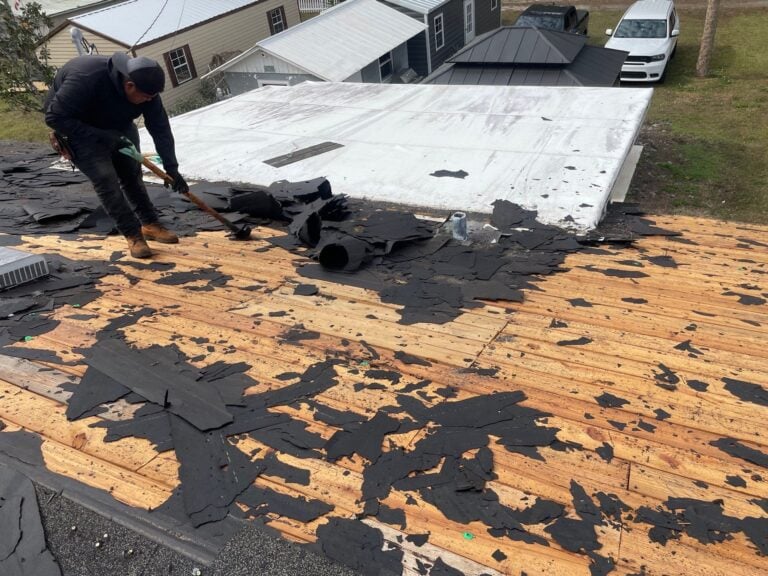
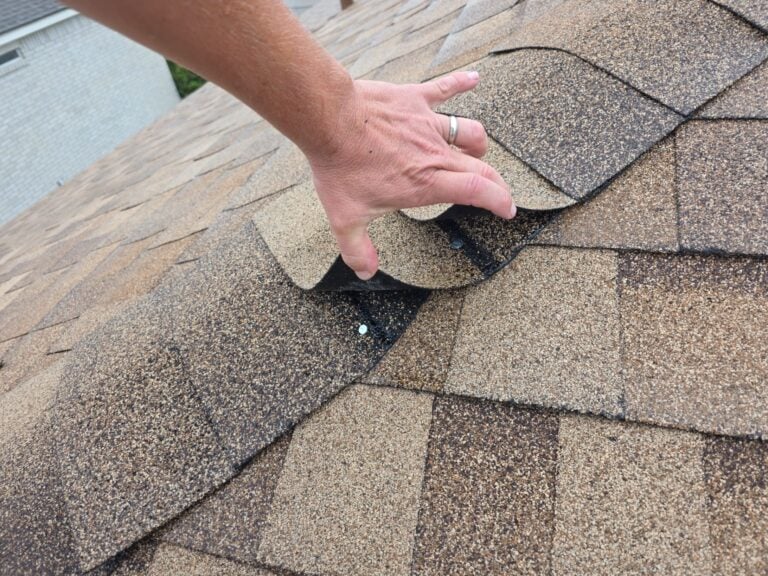
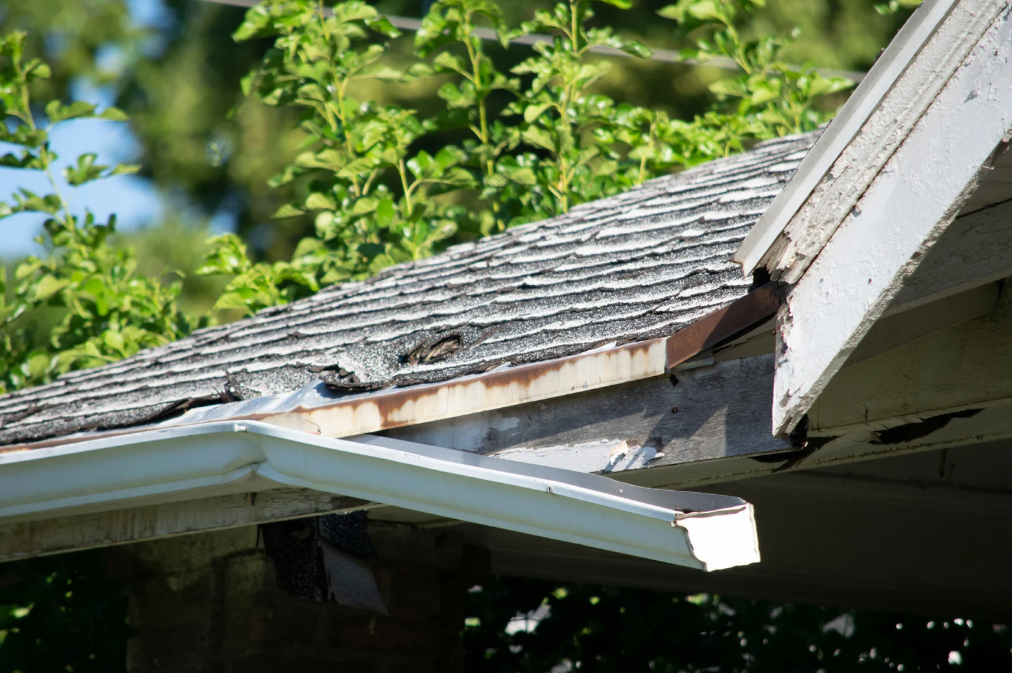
Shingles are your roof’s first line of defense. High winds, hailstorms, and falling debris can rip shingles off, creating exposed areas. Missing or damaged shingles allow water to penetrate the roof deck, which can lead to mold, rot, and interior damage.
Asphalt shingles, the most common roofing material in Texas, typically last 20–25 years, but severe storms can shorten their lifespan. Architectural or impact-resistant shingles may last longer, up to 30 years with proper maintenance.
Tip: After storms, inspect your roof for missing shingles and schedule roof repair Texas before the next heavy rainfall. Regular roof inspections in Texas can catch minor shingle damage early.
Helpful links:
4. Around Windows and Skylights
Windows and skylights that protrude from the roof are potential leak points. Water can enter if the flashing or sealant around the edges is worn or if installation was improper.
Common issues include:
- Worn waterproof seals due to age or weather
- Cracked or loose flashing around skylights and windows
- Improper installation during construction
Addressing these leaks promptly ensures you avoid damage to ceilings, walls, and personal belongings. Professional roof inspections in Texas can detect these issues early.
Helpful links:
How Serious Is a Roof Leak?
Even minor leaks can have serious consequences in Texas. Water infiltration can:
- Damage the roof deck and framing
- Cause mold and mildew growth
- Compromise insulation and energy efficiency
- Lead to costly interior repairs
A small leak left untreated can escalate quickly during storms, especially in regions prone to heavy rain or hail. Scheduling a roof inspection near me helps catch these issues early and prevents expensive roof replacement in Houston or large-scale repairs.
Helpful links:
How to Fix a Leaking Asphalt Shingle Roof
Fixing a leaking asphalt shingle roof involves:
- Identify the leak source: Check shingles, flashing, vent pipes, chimneys, and skylights.
- Replace damaged shingles: Remove broken or missing shingles and install new ones.
- Seal flashing and vents: Apply waterproof sealant or replace corroded flashing.
- Inspect roof underlayment: Ensure the water barrier beneath shingles is intact.
- Regular maintenance: Schedule yearly inspections to prevent leaks from forming.
Professional roofers can handle these tasks efficiently, ensuring your roof maintains its lifespan of 20–25 years for asphalt shingles. For more complex issues, Smith & Sons Roofing provides full roof replacement Houston and expert roof repair Texas services.
Helpful links:
- Roof Replacement in Texas Hurricane Season 2025 Preparation
- Roof Repair and Roof Replacement Near Me
Roof Life in Texas
Texas weather is tough on roofs. Typical roof lifespans:
- Asphalt shingles: 20–25 years
- Metal roofing: 40–70 years
- Tile roofing: 50+ years
Maintenance is key. Regular roof inspections in Texas, timely roof repair Texas, and selecting durable materials can extend your roof’s life significantly.
Helpful links:
Roof Leaks Solution with Smith & Sons Roofing
Understanding the most common places a roof leaks—chimneys, vent pipes, missing shingles, and windows/skylights—helps homeowners take proactive action. Timely roof inspections in Texas, prompt repairs, and preventive maintenance are essential to avoid costly damage and ensure your roof lasts its full lifespan.
Smith & Sons Roofing provides expert guidance, repairs, and full roof replacement services across Texas. Contact us today for a free roof inspection and secure your home against leaks, storms, and other roof-related issues.
Disclaimer: Free roof inspection available for residential properties only; terms may apply.
Helpful links: