
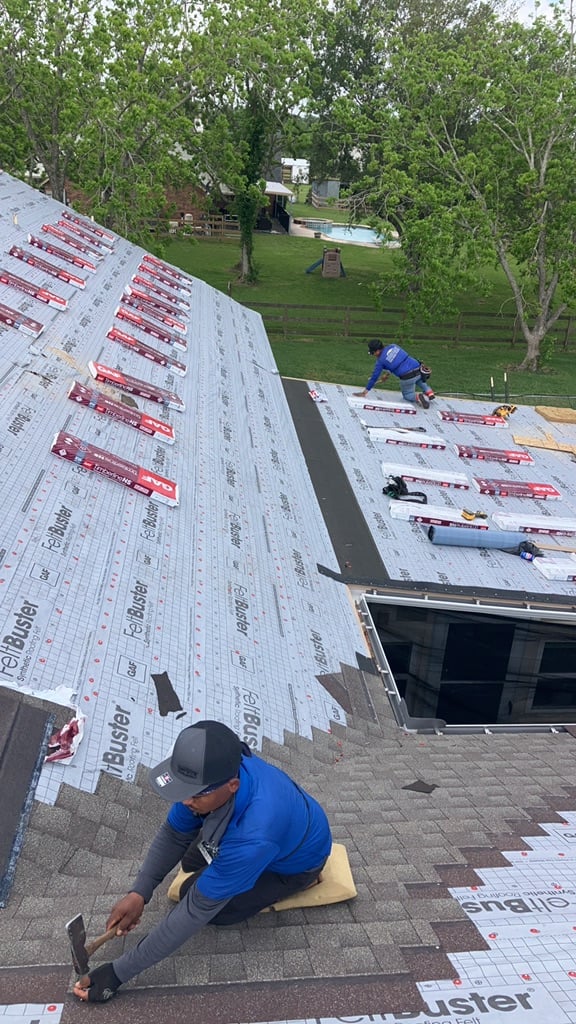


Replacing your roof in Santa Fe, Texas, involves more than choosing attractive shingles and finding a reliable contractor. For homeowners in coastal and windstorm-prone areas, understanding Texas Department of Insurance (TDI) windstorm requirements can be an important part of protecting your property and maintaining eligibility for applicable windstorm insurance coverage.
From proper shingle fastening to roof decking preparation and windstorm inspections, every detail matters when preparing your home for Gulf Coast storm season. Working with a knowledgeable Santa Fe TX windstorm certified roofer can help you understand the requirements that apply to your property and avoid costly compliance issues.
At Ernie Smith & Sons Roofing, we believe homeowners should understand what goes into a properly installed roof before beginning a replacement project.
What Are TDI Windstorm Requirements?
The Texas Department of Insurance administers the Texas Windstorm Insurance Association (TWIA) windstorm certification process for eligible properties in designated coastal areas. Depending on your property’s location and circumstances, a roof replacement may need to meet specific windstorm construction standards and inspection requirements.
These requirements are designed to help roofing systems withstand high winds associated with tropical storms and hurricanes.
Santa Fe homeowners should determine whether their property falls within a designated windstorm inspection area and whether their project requires certification. Not every roof replacement automatically requires the same inspections or documentation.
Before work begins, it is important to clarify the applicable requirements, including whether a WPI-8 certificate is needed.
Understanding WPI-8 Certification
A WPI-8 certificate is issued by the Texas Department of Insurance after qualifying windstorm construction has been inspected and approved under the applicable requirements. It provides documentation that the inspected construction complies with the relevant windstorm building standards.
For homeowners, this documentation can be particularly important when dealing with windstorm insurance requirements.
However, a WPI-8 certificate is not simply a document a roofing contractor can provide upon completing a job. The project must follow the applicable process, and the required inspections and approvals must be obtained.
What Should Homeowners Do Before Replacing a Roof?
Before scheduling your roof replacement, consider these steps:
- Confirm your property’s requirements. Determine whether your home is in a designated windstorm inspection area and whether the proposed work requires TDI inspection and certification.
- Verify the contractor’s experience. Ask whether the roofing contractor understands the applicable windstorm standards and can coordinate the required inspections.
- Discuss permits and documentation. Confirm whether local permits, engineering documentation, or other project-specific approvals are required.
- Plan inspections before work begins. Some construction details may need to be inspected before they are covered by subsequent roofing materials.
- Keep your records. Retain permits, inspection records, invoices, product information, and any certification issued for the completed work.
Taking these steps early can help prevent unnecessary delays and confusion during your roofing project.
Schedule Your Free Roof Inspection
Or Call Us: (832) 336 5153
Contact Smith & Sons Roofing
Why High-Wind Shingle Fasteners Matter
The shingles on your roof are only one part of the overall roofing system. How they are fastened can significantly affect how well they resist wind uplift.
During a hurricane or severe thunderstorm, strong winds can lift shingle edges, break adhesive seals, and expose the roof deck to rain. Once shingles begin to loosen, damage can spread across surrounding areas.
A properly installed roof uses fastening methods that meet the requirements applicable to the building and roofing materials.
Important considerations include:
Correct nail type and length: Roofing fasteners must be suitable for the specified roofing system and provide the required penetration into the roof deck.
Proper nail placement: Nails should be installed in the manufacturer’s designated fastening area. Nails placed too high, too low, or too close to shingle edges can compromise performance.
Required fastening pattern: The number and placement of fasteners must follow the applicable installation instructions and windstorm requirements. Higher-wind applications may require specific fastening patterns.
Secure roof decking: Shingle fasteners cannot perform as intended if the underlying decking is deteriorated, inadequately secured, or otherwise unsuitable.
Proper shingle sealing: Shingles should be installed in accordance with the manufacturer’s instructions so their adhesive strips can seal as intended. Weather conditions and installation timing can affect this process.
A reputable Santa Fe TX windstorm certified roofer should understand these details and explain how the proposed roofing system will meet the applicable standards.
Common Roof Problems in Texas and How to Protect Your Home
Preparing Your Roof for Gulf Coast Storm Season
Santa Fe and the surrounding Gulf Coast region can experience heavy rain, strong winds, tropical storms, and hurricanes. Preparing your roof before storm season is an important step toward reducing avoidable damage.
A roof replacement is an opportunity to address weaknesses that may otherwise go unnoticed until severe weather arrives.
1. Inspect the Roof Decking
Before new roofing materials are installed, the exposed decking should be evaluated for deterioration, moisture damage, and other issues that could affect the finished roof.
Damaged sections should be addressed as appropriate, and the decking’s attachment should meet the requirements applicable to the project.
2. Install the Correct Underlayment
Underlayment provides an additional layer of protection beneath the shingles. The required material and installation method depend on the roofing system, roof design, applicable building requirements, and any windstorm provisions that apply.
In areas exposed to wind-driven rain, proper underlayment installation is especially important. Ice and water shield or other specialized underlayments may be required in particular locations or specified by the project design.
3. Check Flashing and Roof Penetrations
Roof penetrations and transitions can become vulnerable points during severe weather if they are improperly installed or deteriorated.
During replacement, attention should be given to flashing around chimneys, plumbing vents, roof-to-wall intersections, valleys, and other areas where water could enter.
These components should be installed or replaced as needed in accordance with the applicable requirements.
4. Verify the Roofing Materials
Not all shingles and roofing systems have identical installation requirements or wind ratings. Homeowners should discuss the proposed materials with their contractor and confirm that the selected products are appropriate for the building and the applicable specifications.
Manufacturer installation instructions should be followed, including requirements for fastening, sealing, and installation conditions.
5. Arrange Required Inspections
If your project requires TDI windstorm inspection, inspection timing is critical. Certain construction details may need to be reviewed before they are concealed.
Coordinate the inspection process with the appropriate parties before construction begins. Do not assume that a final invoice or completed roof automatically means a windstorm certificate has been issued.
Roof Replacement in Texas: Should You Repair or Replace Your Roof?
Common Windstorm Compliance Mistakes to Avoid
Even a roof that looks professionally installed may have documentation or installation issues that need attention.
Homeowners should watch for these common mistakes:
- Hiring a contractor without discussing windstorm inspection and certification requirements.
- Assuming that a standard roofing permit automatically satisfies TDI requirements.
- Using an incorrect fastening pattern or failing to follow the shingle manufacturer’s instructions.
- Covering construction details before required inspections have taken place.
- Failing to verify whether the completed project received the necessary approval and certification.
- Waiting until an insurance issue arises to investigate missing windstorm documentation.
The best way to avoid these problems is to discuss compliance before signing a roofing contract.
Choosing a Santa Fe TX Windstorm Certified Roofer
Choosing the right roofing contractor involves more than comparing estimates. Homeowners should look for a company that understands local roofing conditions, uses appropriate materials, follows manufacturer installation instructions, and communicates clearly throughout the project.
Before making your decision, ask potential contractors:
- What windstorm requirements apply to my property?
- Will my roof replacement require TDI inspection or WPI-8 certification?
- Who will coordinate inspections and related documentation?
- How will the roof decking, underlayment, and shingle fastening be handled?
- Are additional permits, engineering documents, or approvals required for this project?
- What documentation will I receive when the project is complete?
Keep in mind that a contractor’s experience with windstorm roofing does not, by itself, establish that the contractor is authorized to issue a WPI-8 certificate. The appropriate inspection and certification process must still be followed.
Protect Your Santa Fe Home With a Properly Planned Roof Replacement
A new roof should do more than improve your home’s appearance. It should provide dependable protection, be installed according to the applicable standards, and have the documentation required for your particular property and project.
For Santa Fe homeowners, understanding TDI windstorm requirements, using the correct shingle fastening methods, and planning inspections in advance can make the roof replacement process smoother and help prepare the home for Gulf Coast weather.
At Ernie Smith & Sons Roofing, we believe informed homeowners make better roofing decisions. If you are considering a roof replacement in Santa Fe, TX, contact our team to discuss your roofing needs, available materials, and the steps involved in preparing your project for windstorm compliance.
Ernie Smith & Sons Roofing, LLC
Trusted. Local. Since 1989.
Proudly Serving Southeast Texas
Schedule Your Free Roof Inspection
Or Call Us: (832) 336 5153
Important note: Windstorm requirements vary by property, project type, and applicable regulations. Confirm current inspection, permitting, and certification requirements directly with the Texas Department of Insurance and the relevant local authorities before beginning construction.conditions.
