
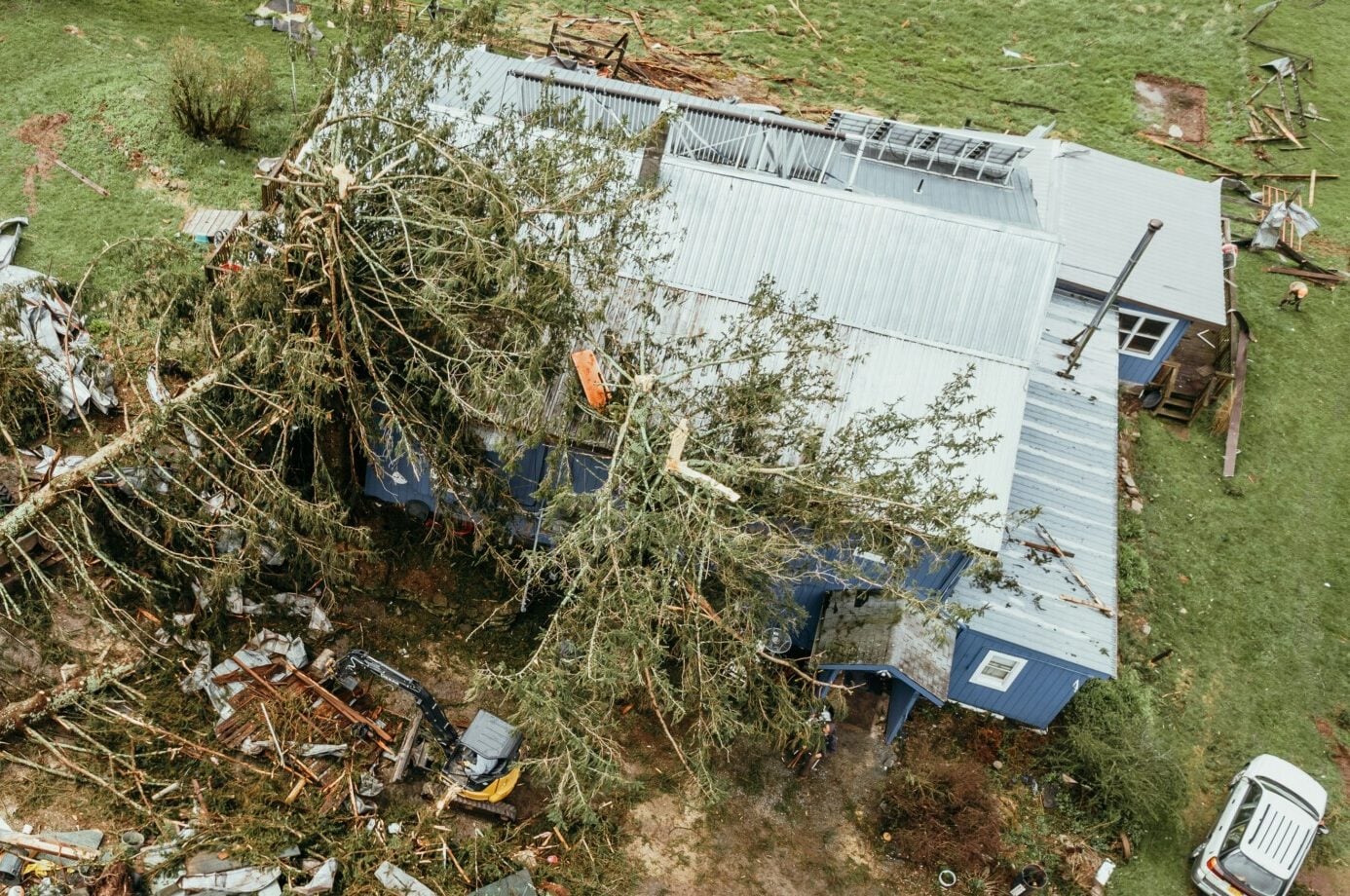


Protecting Your Roof Starts With Your Trees
Living in Santa Fe, Texas, offers plenty of advantages, including spacious properties, mature trees, and the privacy that comes with rural and acreage living. However, those same beautiful trees can create challenges for your roof, especially during Southeast Texas storm season.
Large oak trees, overhanging limbs, falling branches, and accumulated leaves can gradually wear down roofing materials or contribute to drainage problems. When heavy rain, strong winds, and tropical weather move through the Gulf Coast region, neglected tree maintenance can increase the risk of roof damage.
The good news is that regular roof maintenance in Santa Fe, TX, can help homeowners identify potential problems early, protect their roofing investment, and avoid some preventable repair expenses.
At Ernie Smith & Sons Roofing, we believe proactive maintenance is one of the best ways to help homeowners protect their properties throughout the year.
1. Keep Overhanging Oak Branches Under Control
Oak trees are a familiar sight throughout Santa Fe and the surrounding communities. While mature trees provide shade and enhance your property’s appearance, branches that extend over your roof can cause problems over time.
Even when branches don’t break during a storm, repeated contact with shingles can gradually scrape away protective granules and damage the roofing surface. Wind can also cause limbs to rub against roof edges, gutters, and other roofing components.
Overhanging branches may create additional concerns, including:
- Shingle damage: Repeated rubbing can wear down shingle surfaces and expose them to faster deterioration.
- Falling limbs: Dead, damaged, or weakened branches can break during strong winds and impact your roof.
- Moisture retention: Dense tree cover can reduce sunlight and airflow, allowing roof surfaces to remain damp longer.
- Pest access: Branches touching the roof can provide pathways for squirrels and other animals to reach vulnerable areas.
What Santa Fe homeowners can do
Inspect the trees surrounding your home regularly, paying particular attention to branches directly above the roof. Consider having a qualified tree-care professional trim limbs that are dead, damaged, or extending too close to the roofing surface.
Avoid attempting to cut large limbs yourself, particularly those near power lines or above your home. Professional tree trimming can help reduce risks while preserving healthy trees and maintaining your property’s appearance.
Pro tip: Don’t wait until a branch falls or starts scraping your shingles. Preventive tree care can help reduce the likelihood of avoidable roof damage.
Roofing Warranty Nightmares (and How to Avoid Roof Replacement)
2. Remove Leaves, Twigs, and Other Roof Debris
A spacious property with mature trees often means more leaves and debris collecting around the home. Oak leaves, small branches, seed pods, and other organic material can accumulate in roof valleys, behind chimneys, around vents, and near other roof features.
When debris remains in these areas, it can trap moisture and interfere with the proper flow of rainwater. Over time, this may contribute to premature material deterioration or create conditions that allow water to work its way beneath vulnerable roofing components.
Debris can be particularly troublesome in roof valleys, where two roof slopes meet and rainwater naturally concentrates.
Why regular roof cleaning matters
Keeping the roof clear of excessive debris helps maintain proper drainage and makes it easier to spot potential problems.
During a professional roof inspection, a roofing contractor can look for:
- Accumulated leaves and branches in valleys and around roof penetrations.
- Missing, cracked, lifted, or damaged shingles.
- Loose or deteriorating ridge caps.
- Damaged flashing around chimneys, walls, and vents.
- Signs of standing water, moisture intrusion, or other visible concerns.
Homeowners should avoid walking on their roofs to remove debris. Roof surfaces can be slippery, fragile, and dangerous, particularly after rain. A qualified roofing professional can assess the roof and determine the safest way to address buildup.
3. Keep Gutters Clear on Larger Properties
Gutters play an important role in directing rainwater away from your roof, siding, foundation, and landscaping. On rural and acreage properties, gutters may collect debris from several mature trees, making regular maintenance especially important.
Oak leaves, twigs, and other organic material can accumulate quickly, particularly during seasonal leaf drop and after storms.
When gutters become clogged, rainwater may overflow over the edges instead of draining through the downspouts. Depending on the property’s drainage conditions, this can contribute to water staining, fascia deterioration, soil erosion, and moisture problems near the foundation.
Clogged gutters may also allow water to back up near roof edges, potentially increasing the risk of damage to roofing components.
A practical gutter maintenance checklist
For Santa Fe homeowners, a consistent gutter maintenance routine should include:
- Removing leaves, twigs, and accumulated debris.
- Checking that gutters are securely attached and properly aligned.
- Inspecting visible seams and joints for leaks.
- Making sure downspouts are clear and discharge water away from the home’s foundation.
- Checking for sagging sections, rust, corrosion, or damaged gutter components.
- Confirming that nearby branches aren’t continually dropping debris directly into the gutters.
Homes surrounded by mature oak trees may need more frequent gutter cleaning than properties with fewer trees. Check gutters after major storms and periods of heavy leaf fall, and arrange additional cleanings when needed.
Gutter guards may help reduce certain types of debris buildup, but they do not eliminate maintenance. Leaves, seeds, and fine debris can still accumulate on or within some systems.
4. Prepare Your Trees and Roof for Gulf Coast Storm Season
Santa Fe homeowners know that Southeast Texas weather can change quickly. Strong thunderstorms, heavy rainfall, tropical systems, and hurricane-force winds can place significant stress on both trees and roofing materials.
A healthy-looking tree may still have dead or weakened limbs that become hazardous during severe weather. Likewise, a roof that appears undamaged from the ground may have loose shingles, deteriorating sealant, or flashing issues that deserve attention before the next storm.
Preparing your property ahead of storm season can help reduce avoidable risks.
Before severe weather arrives
Consider taking these preventive steps:
Inspect nearby trees. Look for dead branches, damaged limbs, and signs of instability. Consult an arborist when a tree’s condition is uncertain.
Address roof problems promptly. Have missing shingles, loose ridge caps, damaged flashing, and other visible concerns evaluated before heavy rain arrives.
Clear gutters and downspouts. Ensure rainwater has a clear path away from the roof and foundation.
Remove accumulated debris. Have leaves and branches cleared from roof valleys and other areas where debris collects.
Check drainage around the property. Make sure downspouts and surface drainage direct water away from the home’s foundation where practical.
Schedule a professional roof inspection. A roofing contractor can identify visible maintenance concerns and recommend repairs before small issues become more expensive problems.
Remember that roof maintenance cannot eliminate storm damage, but it can help address existing vulnerabilities before severe weather puts additional stress on your home.
5. Watch for Signs of Tree-Related Roof Damage
Not every roofing problem is immediately visible, especially on a large property where the house may be surrounded by mature trees or situated far from the road.
That’s why homeowners should pay attention to warning signs both inside and outside the home.
Signs to look for
- Shingle granules collecting in gutters or near downspout outlets.
- Missing, cracked, lifted, or visibly worn shingles.
- Branches or tree debris resting on the roof.
- Gutters pulling away from the fascia or overflowing during rain.
- Water stains on ceilings or walls.
- Dampness or musty odors in attic spaces.
- Visible damage around roof vents, chimneys, or other penetrations.
- New leaks or water intrusion following a storm.
These symptoms can have multiple causes, and not all are related to trees. However, identifying them early gives you an opportunity to have the issue evaluated before further damage occurs.
If a tree limb has recently struck your roof, arrange a professional assessment as soon as it is safe to do so. Avoid entering an attic if the roof or ceiling appears structurally unstable.
Serious Warning Signs Your Roof Isn’t Safe
6. Why Rural and Acreage Homes Need a Proactive Maintenance Plan
For homeowners with larger properties, roof maintenance involves more than checking the shingles once a year. Multiple trees, long driveways, detached garages, workshops, barns, and other structures can make it easier for roofing issues to go unnoticed.
A maintenance plan helps you keep track of the condition of your home and identify areas that may require additional attention.
Consider establishing a routine that includes:
- Seasonal property checks: Review trees, gutters, and visible roof conditions throughout the year.
- After-storm assessments: Look for fallen branches, missing shingles, damaged gutters, and other visible changes once conditions are safe.
- Periodic professional inspections: Have a qualified roofing contractor assess the roof based on its age, condition, and exposure to weather.
- Prompt repairs: Address confirmed problems before additional weather exposure makes them worse.
- Maintenance records: Keep inspection notes, photographs, repair invoices, and warranty information together for future reference.
A consistent maintenance routine can also help you budget for necessary repairs and better understand the remaining condition of your roofing system.
7. When Should You Call a Professional Roofer?
Some maintenance tasks, such as observing tree growth from the ground, can be handled by homeowners. Other issues require professional attention.
Consider scheduling a roof inspection if:
- Large branches hang directly over your roof.
- You notice missing or damaged shingles.
- Water appears to be entering your attic or living space.
- Gutters repeatedly overflow despite regular cleaning.
- A storm has caused a branch to strike your home.
- Your roof is aging or you haven’t had its condition evaluated in several years.
A professional roofer can inspect accessible roofing components, identify visible damage, and explain which repairs may be appropriate. If tree limbs pose a hazard, a qualified tree-care professional can help determine the best course of action.
For insurance-related concerns, document visible damage when it is safe to do so and review your policy. Coverage depends on the circumstances of the damage and the terms of your policy.
Top Questions to Ask a Roofing Contractor in Texas Before Hiring
Protect Your Santa Fe Home With Preventive Roof Maintenance
Your trees are an important part of what makes rural and acreage living in Santa Fe so appealing. With the right maintenance routine, you can enjoy their shade and beauty while taking practical steps to protect your roof.
Keeping oak branches under control, removing excessive debris, maintaining clear gutters, and scheduling periodic roof inspections can help you identify potential problems before they develop into more extensive repairs.
At Ernie Smith & Sons Roofing, we’re proud to serve Southeast Texas homeowners with a focus on dependable service, quality workmanship, and long-term roof care. Whether you need a roof inspection, help evaluating tree-related shingle damage, or assistance with a roof repair, our team can help you understand your options.
Is it time to check your roof?
Contact Ernie Smith & Sons Roofing to schedule a roof inspection and learn more about maintaining your roof through Southeast Texas.
Ernie Smith & Sons Roofing, LLC
Trusted. Local. Since 1989.
Proudly Serving Southeast Texas
Schedule Your Free Roof Inspection
Or Call Us: (832) 336 5153
