
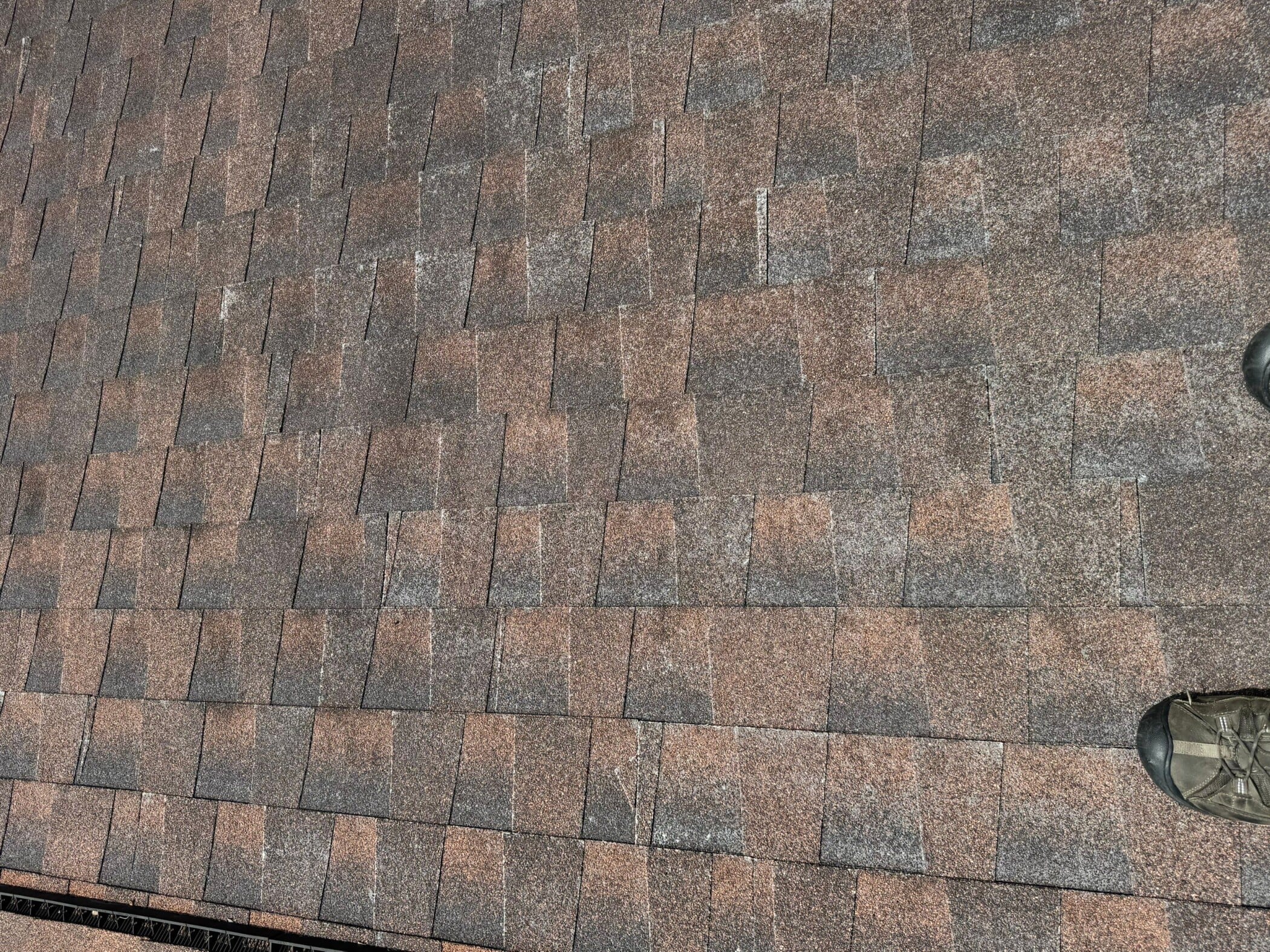


When a roof begins to show signs of wear, homeowners often assume the problem is simply age, weather, or poor maintenance. Sometimes, however, the issue can be traced back to the roofing materials themselves.
Roofing shingles are designed to protect your home for many years, but occasionally a batch of shingles can develop premature defects. These issues may appear even when the roof has been properly installed and maintained.
Understanding the warning signs can help homeowners identify a potential material problem before it leads to more serious damage.
Roof Life, Questions, and Types: Everything Texas Homeowners Should Know
What Is a Roofing Material Defect?
A manufacturing defect occurs when roofing materials do not perform as intended because of an issue that originated during the manufacturing process.
This is different from normal aging, storm damage, improper installation, or damage caused by maintenance issues.
A roof with a potential material defect may look relatively young but begin showing unusual deterioration much sooner than expected.
Common Signs of a Potential Shingle Defect
Excessive Granule Loss
Roofing shingles are covered with protective granules that help shield the underlying material from sunlight and weather. Some granule loss is normal as shingles age. However, unusually heavy or premature granule loss can be a warning sign.
You may notice:
- Large areas where granules are missing
- Bare-looking sections of shingles
- Excessive granules accumulating in gutters
- Dark or exposed areas appearing across multiple shingles
- If this occurs relatively early in the roof’s expected service life, it may warrant a closer inspection.
Cracking or Splitting
Shingles can develop cracks for several reasons, including weather exposure and aging. However, widespread or unusual cracking across similar areas of the roof can indicate a problem with the material. Small cracks may eventually allow moisture to reach areas beneath the shingles.
Blistering or Surface Irregularities
Some shingles may develop unusual bumps, blisters, or surface abnormalities. While not every irregularity indicates a manufacturing defect, widespread abnormalities across numerous shingles should be evaluated rather than assumed to be normal wear.
Premature Deterioration
One of the biggest warning signs is a roof that appears to be deteriorating much faster than expected. For example, if shingles begin losing significant amounts of their protective surface or showing widespread deterioration while the roof is still relatively young, a professional evaluation may be appropriate.
See photos and standards for asphalt damage on the National Roofing Contractors Association (NRCA) Consumer Guide
Why One Damaged Shingle Does Not Necessarily Mean a Manufacturing Defect
It is important not to jump to conclusions. A damaged shingle could be the result of:
- Hail or high winds
- Falling branches or foot traffic
- Improper installation
- Heat exposure or normal aging
- Maintenance activity
A potential material defect is usually identified by looking for a pattern rather than focusing on one isolated shingle. A qualified roofing professional can examine the roof and determine whether the damage appears consistent with weather, installation, age, or a broader material issue.
Helpful links:
What Should You Do If You Suspect a Defect?
Start by documenting what you are seeing. Take photographs of:
- Areas with missing granules
- Cracked or split shingles
- Unusual surface conditions
- Shingles that appear different from surrounding materials
- Granules collecting in gutters or around downspouts
It can also be helpful to gather your original roofing documents, including your installation contract, invoice, inspection reports, and any available warranty information.
Have the Roof Professionally Inspected
A professional roof inspection can help determine the extent and pattern of the deterioration. If a potential material issue is identified, your roofing contractor may recommend documenting representative areas of the roof and preserving relevant information for further evaluation.
Schedule Your Free Roof Inspection
Or Call Us: (832) 336 5153
Contact Smith & Sons Roofing
At Smith & Sons Roofing, we understand the unique roofing challenges Texas homeowners face. Our professional team offers routine roof inspections in Texas, proactive maintenance, and timely repairs. With our guidance, you can prevent hail, heat, and water damage while extending the lifespan of your roof.
We offer a free roof inspection to help you identify issues early and protect your home.
Disclaimer: Free roof inspection offer applies to residential properties and may be subject to terms and conditions.
Schedule Your Free Roof Inspection
Or Call Us: (832) 336 5153
